
3 hr
Trincomalee Scuba Diving Experience
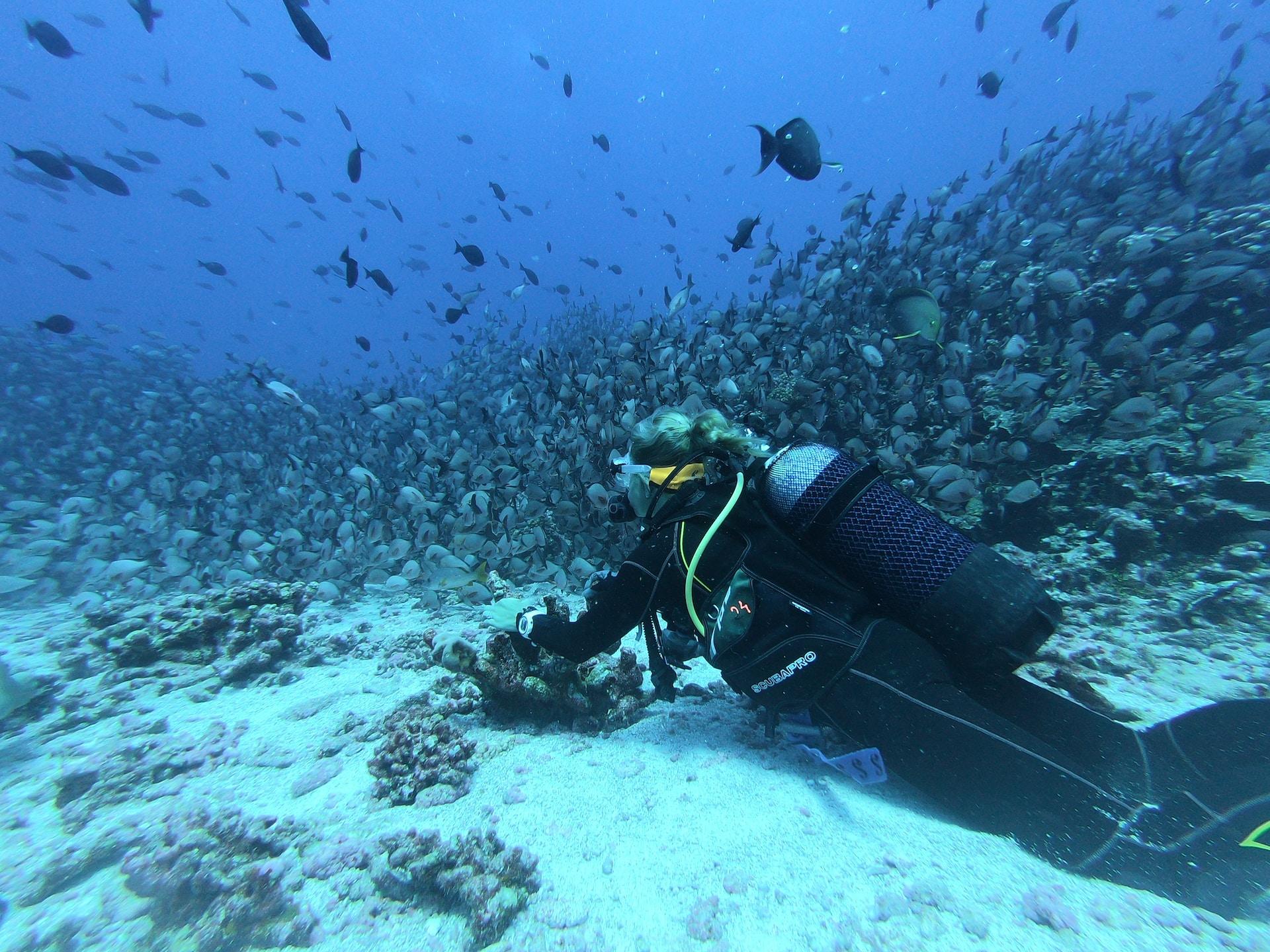
Explore shipwrecks, coral reefs, and underwater statues on a guided dive in Trincomalee.
Reserve
Hand-picked by our editors — only the best 5 experiences from 40 reviewed.
Verified partners for every tour, free cancellation where available, and instant confirmation on every booking.
3 hr
Explore shipwrecks, coral reefs, and underwater statues on a guided dive in Trincomalee.
Reserve
3 hr
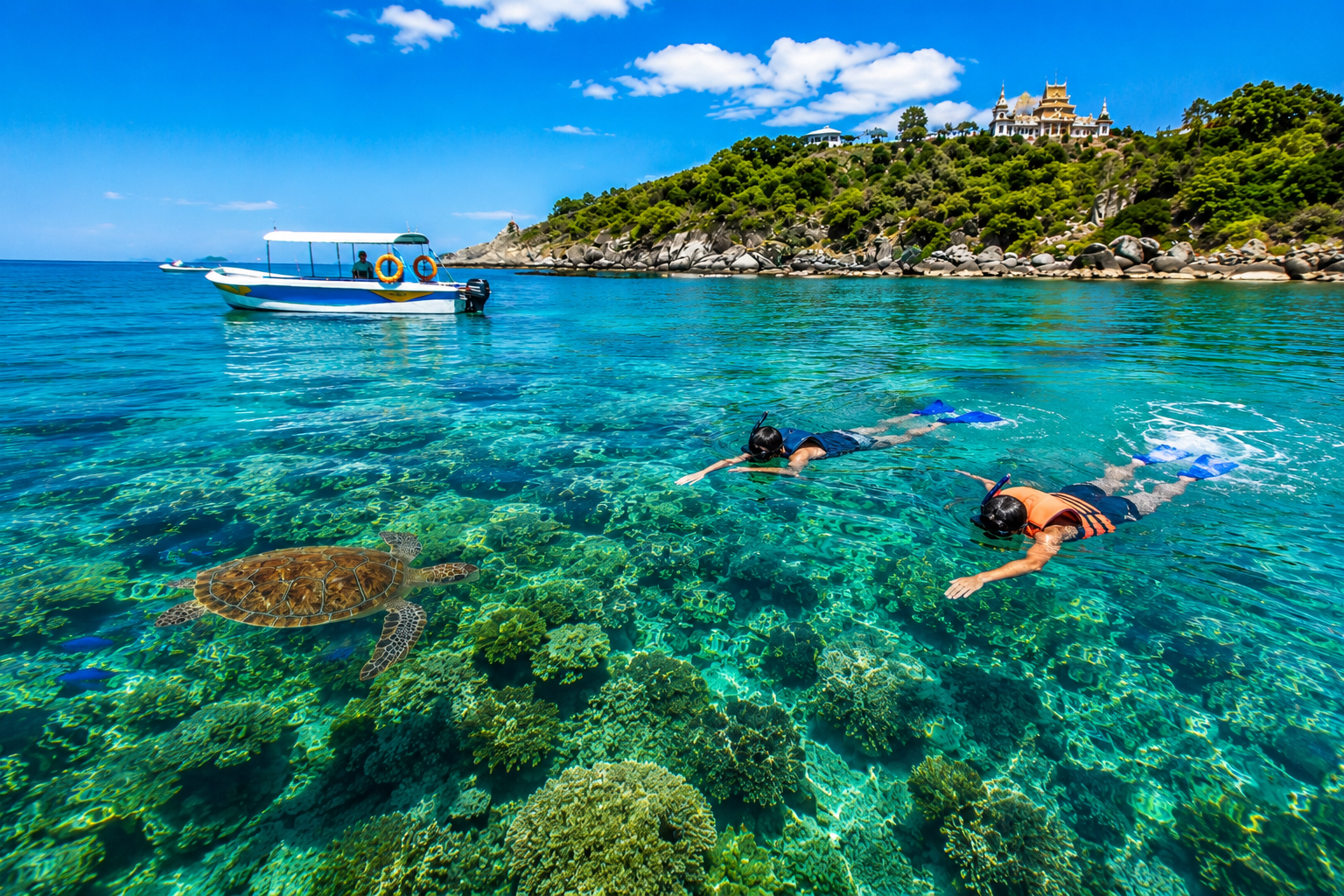
Boat out to Navy Island for a laid-back snorkel among coral reefs, far from the crowds.
Reserve
3 hr
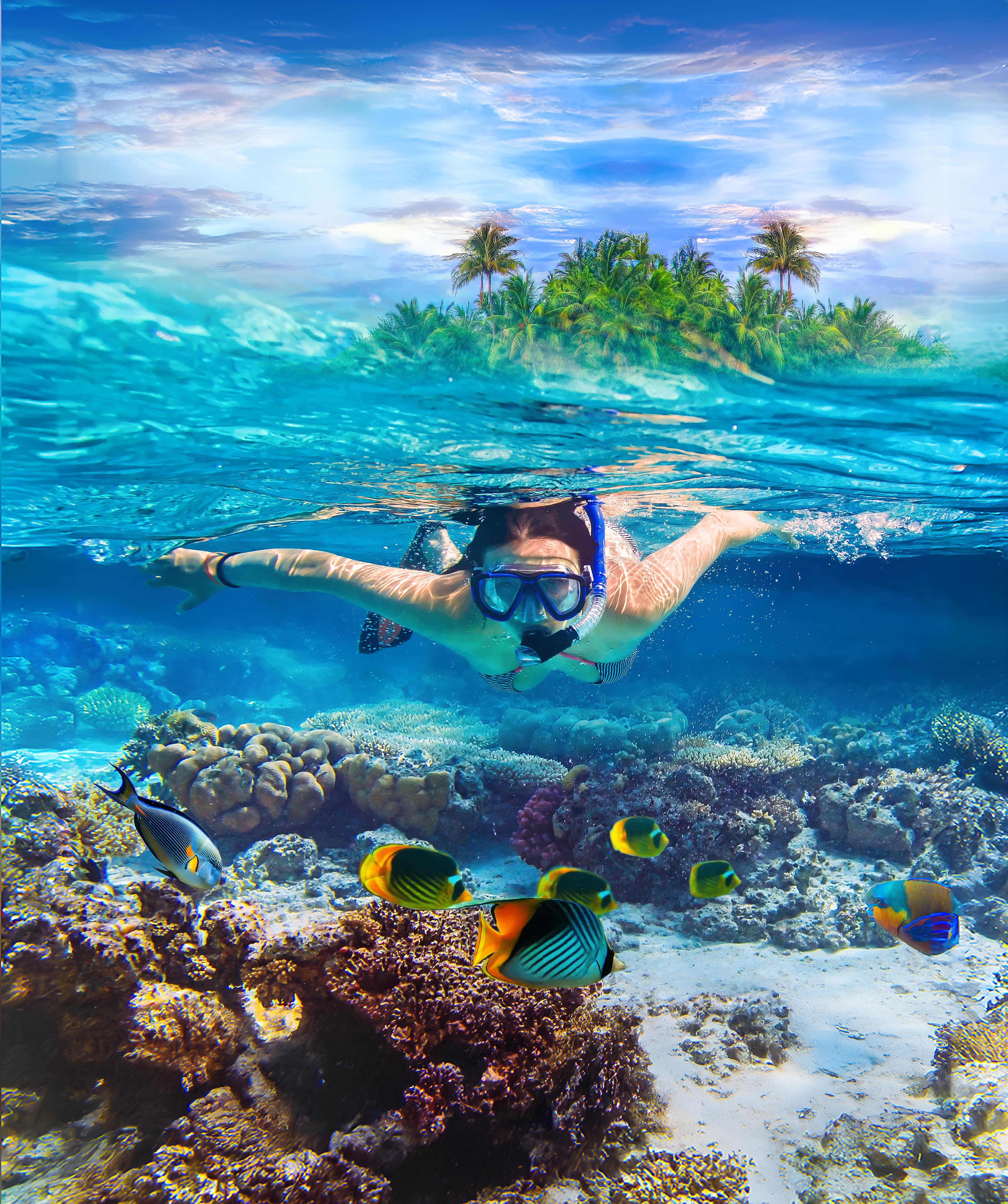
Discover Trincomalee's marine sanctuary with sea turtles, reef sharks, and over 100 coral species
ReservePrices from verified partners. Availability updates in real time at checkout. Free cancellation policies apply where shown.
The landmarks, rooms, and views travelers on this tour remember — all visible on a single visit.
Vibrant coral reefs home to diverse tropical fish species.
Submerged cliffs providing dramatic topography for experienced divers.
A series of submerged rock formations teeming with marine life.
Observe docile reef sharks in their natural habitat.
Trincomalee provides superior calm-water conditions for year-round exploration, whereas Mirissa and Unawatuna offer more accessible, seasonal reef encounters for those booking scuba diving sri lanka trincomalee tours.
| Feature | Top pick Trincomalee Diving | Mirissa/Unawatuna Diving |
|---|---|---|
Best Season |
April to October | November to April |
Water Conditions |
Calm, high visibility | Moderate chop, varying clarity |
Marine Life Highlights |
Large pelagics and wrecks | Sea turtles and reef fish |
Primary Vibe |
Remote, adventure-focused | Social, tourist-friendly infrastructure |
Accessibility |
Boat-based from harbor | Beach entry or short boat |
scuba diving sri lanka trincomalee tour |
Available daily | Not applicable |
| See tickets → |
Verdict: Choose the East Coast for reliable marine visibility and historic wreck exploration, or select the South Coast for convenient beach-side scuba diving sri lanka trincomalee tickets and social amenities.
Choose your ticket, select your date, and reserve in under two minutes. Secure checkout handled by our verified partner.
Instant confirmation by email, with a mobile voucher you can save offline. No printing, no queuing at a collection desk.
Arrive at the entrance, show your voucher on your phone, and walk in. Most tickets include priority or skip-the-line access.
Practical details for your visit straight from our verified partners — hours, access, rules, and how to get there.
Trincomalee, Eastern Province, Sri Lanka
Main meeting point for all tours.
Direct transport from major hotels to the dive center.
Buses run to Trincomalee town followed by a local tuk-tuk.
Divers should wear swimwear under their clothes for convenience when preparing for scuba diving sri lanka trincomalee.
Secure your valuables at your accommodation, as boats have limited dry storage space during scuba diving sri lanka trincomalee excursions.
Underwater cameras are permitted during scuba diving sri lanka trincomalee tours, provided they do not disrupt marine life.
Scuba diving sri lanka trincomalee requires a basic level of physical fitness and the ability to swim in open water.
Protect mobile phones in waterproof cases if bringing them onto the boat during your scuba diving sri lanka trincomalee trip.
Children must meet minimum age and certification requirements for scuba diving sri lanka trincomalee to ensure safety.
Bring sufficient water and light snacks, as facilities near remote dive sites are limited for scuba diving sri lanka trincomalee.
Pets are strictly prohibited on all boat-based scuba diving sri lanka trincomalee expeditions.
Always follow the instructions of your dive master during scuba diving sri lanka trincomalee tours. Ensure your medical clearance is current before arrival.
Trincomalee, Eastern Province, Sri Lanka
Main meeting point for all tours.
Get directionsBest time to go, insider tips, nearby landmarks, and the cancellation fine print — flip through to skim what matters to you.
How crowds, weather, and events shift across the year.
The driest months with the calmest seas for scuba diving sri lanka trincomalee.
Transition month with occasional rain showers.
North-east monsoon season may impact diving conditions.
Small details that turn a good visit into a great one.
Always check with your operator about daily water conditions before departing for your scuba diving sri lanka trincomalee tour.
Use reef-safe sunscreen to protect both your skin and the delicate coral ecosystems.
Secure your scuba diving sri lanka trincomalee tickets well in advance during peak season.
The best arrival window is 06:00–10:00 for the calmest conditions.
Carry your digital or physical PADI certification card for easy verification.
Drink plenty of water between dives to prevent dehydration in the tropical climate.
Non-bookable sights within a short walk — free to visit, easy to pair.
A historic fort built by the Portuguese in 1624.
An ancient Hindu temple located on Swami Rock.
A secluded beach known for its clear, calm waters.
A protected area famous for coral reefs and snorkeling.
Flexible, no hidden fees.
Full refunds are available for cancellations made at least 24 hours prior to the scheduled tour. Pigeon Island National Park entrance fees are separate and non-refundable once paid.
Hand-picked options within walking distance — pick a district for vibe, or a specific hotel for convenience.
Beachfront property near dive sites.
Upscale hotel with marine-themed decor.
Affordable stays in the surrounding district.
Trincomalee's harbour ranks among the deepest natural inlets on earth, shelving past thirty metres within sight of the shoreline. That single geological fact explains almost everything that followed. Scuba Diving Sri Lanka Trincomalee tours now trace the same granite shelf that once drew Chola admirals, Portuguese garrisons, Dutch engineers and the British Eastern Fleet. The town sits on the western rim of the Bay of Bengal, where a drowned ridge of gneiss runs out beneath the water. Divers read that topography as walls, pinnacles and swim-throughs. Geologists call it a submerged arm of the Vijayan complex, rock close to two billion years old. The history here is layered and loud. Koneswaram, the cliff temple on Swami Rock, has been venerated for well over a thousand years; Portuguese forces dismantled much of it in 1624 and raised Fort Frederick from its stone. The Dutch took the harbour, then lost it. The British made the anchorage their principal eastern naval base, and on 9 April 1942 Japanese carrier aircraft bombed it, sinking ships whose hulls still rest along this coast. Sober Island and the old magazine tunnels remain navy ground. Almost none of this is signposted underwater, yet the wrecks and the fortifications belong to one story. Conservation arrived later. Pigeon Island was gazetted a sanctuary in 1963 and upgraded to a national park in 2003, one of only two marine national parks in the country. Its two granite islets fringe roughly a hundred recorded coral species, from staghorn thickets to table corals the width of a dining table, and some three hundred reef fish. Blacktip reef sharks patrol the shallow lagoon in water barely chest-deep. Hawksbill and green turtles graze the seagrass beyond. The park's sheltered bays shelter juvenile fish that later populate reefs along the whole eastern littoral. What makes the Trincomalee dive sites unusual is proximity. The continental shelf narrows sharply, and a submarine canyon drops toward a thousand metres only a few nautical miles offshore, which is why blue and sperm whales surface within an hour of the beach. Reef and open ocean sit side by side. Nilaveli and Uppuveli supply the beaches; Irrakkandy and Round Island supply the reef; the harbour supplies the history. Autumn 2026 finds the east coast reefs recovering steadily from earlier bleaching episodes, with regrowth documented on the sheltered northern faces. A Scuba Diving Sri Lanka Trincomalee tour is, in the end, a short boat ride across two billion years of rock and one century of naval memory.
"Reef and open ocean sit side by side, separated by a few nautical miles of blue."
A step-by-step walkthrough of the visit — what you'll see, how long each stage takes, and the details that matter.
You leave Uppuveli in the dark and reach the dive centre by 06:30, inside the 06:00–10:00 arrival window when the Bay of Bengal still lies flat. Centres here run 06:00–22:00 daily. Scuba Diving Sri Lanka Trincomalee tickets carry no entrance cost for the dive sites themselves, though Pigeon Island National Park charges separate fees at the ranger post. You sign the medical form, then move through the gear check: regulator breathing clean, cylinder at 200 bar, weights clipped, buddy signals agreed. The boat pushes off Nilaveli beach and runs north, the outboard slapping each swell. The skipper cuts the engine, names the site, and briefs you on a wet bench with a slate. You roll backwards. The water takes you warm, and the sand floor resolves nine metres down, pale and ribbed. You follow a granite ridge where staghorn coral grows in thickets, count four parrotfish grazing, then hang at five metres while a blacktip reef shark crosses below without interest. Your guide taps a tank twice. A hawksbill turtle lifts off the seagrass and tilts away. Back aboard, you drink sweet tea from a thermos while fins drip into the bilge. Trincomalee's cliffs rise on the horizon with the Koneswaram flagstaff above them. You walk the beach home with stiff hair, a filled logbook, and the reef already mapped in your head.
The center is open 06:00–22:00 daily.
Dive sites have free entry, though Pigeon Island National Park requires separate fees.
The best arrival window is 06:00–10:00 when seas are calm.
Yes, participants must meet specific age and certification standards.
Yes, booking your scuba diving sri lanka trincomalee tour ahead is recommended for availability.
Yes, you are welcome to bring your own equipment for your scuba diving sri lanka trincomalee experience.
No, the national park fee is separate from the base tour price.
The dive center is located in Trincomalee, Eastern Province, Sri Lanka.
Prohibited items include single-use plastics, spearguns, and drones.