Scuba Diving Sri Lanka
Dive Planning Guide

Where to Do Scuba Diving in Sri Lanka

Sri Lanka has reef, wall and wreck diving on opposite coasts, and the monsoon decides which side is workable. This where to do scuba diving in sri lanka guide maps the four hub towns, explains the water behind each, and flags the 08:00–11:00 window operators favour for clarity and calm seas. Everything here is planning detail: conditions, logistics, certification expectations.

8 min read Updated 2026-10-01 Fact-checked
Where to Do Scuba Diving in Sri Lanka

Quick answer

Scuba diving in Sri Lanka centres on four hubs: Hikkaduwa, Unawatuna, Nilaveli, and Trincomalee. Dive centres along these coasts operate 08:00–17:00 daily, and there is no public entrance fee, so costs sit with the operator and any dive site permits. The caveat: the two coasts trade places with the monsoon, so the right hub depends on your month.

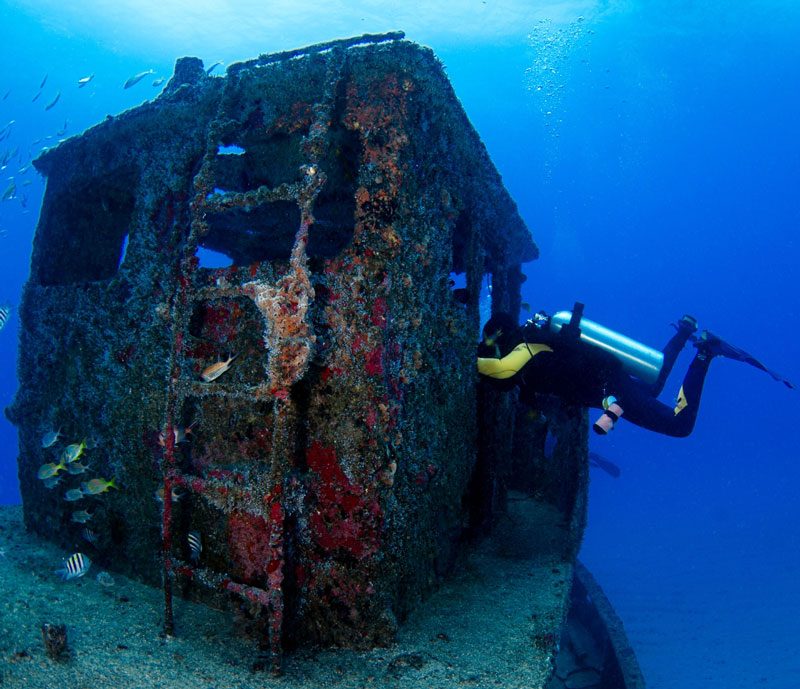
HMS Hermes, the first ship in the world built from the keel up as an aircraft carrier, has been on the seabed off Batticaloa since April 1942. It is one of the largest diveable wrecks on the planet, and it sits in Sri Lankan water. That single fact explains why the question of where to do scuba diving in sri lanka rarely has one answer: the island offers reef, wreck and open-ocean diving within a few hundred kilometres of coast, and the usable season shifts from one shoreline to the other. The governing factor is the monsoon, which hands the calm water to one coast at a time: the southwest reef towns of Hikkaduwa and Unawatuna in one half of the year, the northeast harbours of Nilaveli and Trincomalee in the other. Geography does the rest. The southwest shelves gently, with coral gardens and inshore shipwrecks reachable in minutes by boat. The east drops faster, giving Pigeon Island's fringing reef and the granite wall below Swami Rock. Divers who ignore that split book flights into the wrong half of the island. Local crews still call it kimideema, and their briefings tend to be blunt about surge, current and visibility. Experience level matters as much as geography. Sri Lanka dive sites range from house reefs shallow enough for a first open-water course to the Great and Little Basses reefs off the south coast, where strong current makes the dive suitable for confident, logged divers only. Certification is checked. Centres ask for a logbook and, for deeper wreck work, proof of training beyond entry level. Nitrox and guided drift dives are available at the larger schools; the smaller ones focus on training and shore entries. Readers planning a trip should treat the choice of coast as the first decision and the dive style as the second. Decide the month, then the shoreline, then the operator, in that order. Anyone comparing scuba diving Sri Lanka tours will find the detail broken out in the sections below, with conditions, costs and daily timings handled separately. For those still weighing where to do scuba diving in sri lanka, the shortest route to a confirmed place on a boat is the booking pages attached to this guide, where real operator availability is listed.

“The monsoon, not the map, decides which Sri Lankan coast is diveable in any given month.”
Timing

The Best Time and Where to Do Scuba Diving in Sri Lanka

Sri Lanka’s diving calendar is dictated by two monsoon seasons, requiring divers to switch coasts to find optimal visibility and calm water. The best arrival window is 08:00–11:00 for stable morning conditions.

West/South Coast (Nov–April)

Moderate crowds

Dry, 27°C–30°C water

This period offers calm seas and clear visibility around Hikkaduwa and Unawatuna. Frequent sunshine makes it the primary season for southwest coastal diving.

East Coast (May–Sept)

Low to moderate crowds

Dry, 28°C–30°C water

Monsoon winds shift, creating ideal conditions in Nilaveli and Trincomalee. Waters remain warm and visibility is high during these months.

Daily Morning Dives

Consistent

—

Plan for the 08:00–11:00 arrival window to maximize water clarity. Calm sea conditions typically prevail before afternoon winds arrive.

Verdict: Target the West Coast from November to April or the East Coast from May to September, consistently arriving between 08:00 and 11:00 for the calmest waters.

What to see

Top Locations Where to Do Scuba Diving in Sri Lanka

Sri Lanka offers diverse underwater environments ranging from shallow coral reefs to historic shipwrecks. Each coastal region provides distinct topography and marine life encounters.

Hikkaduwa

Hikkaduwa

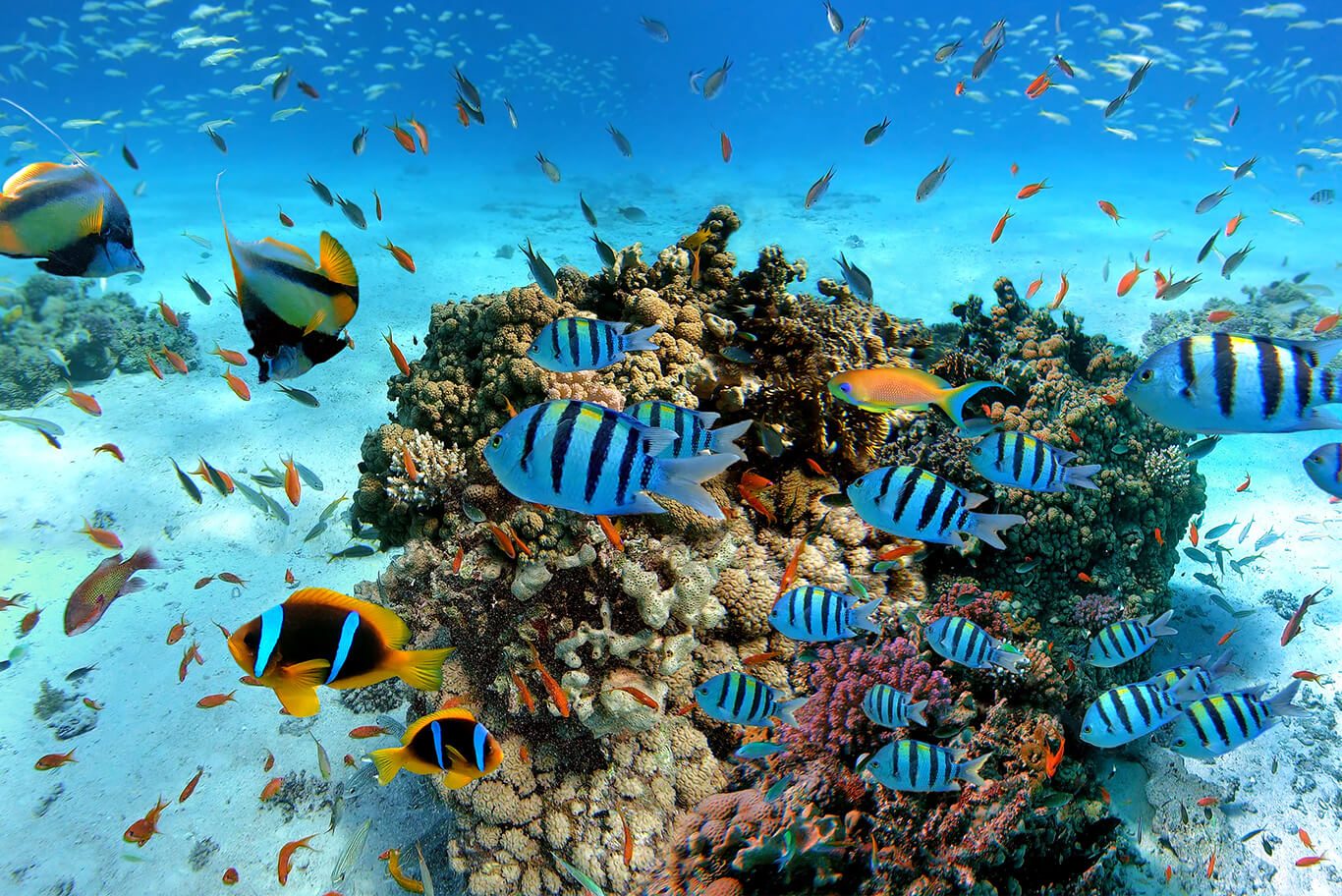
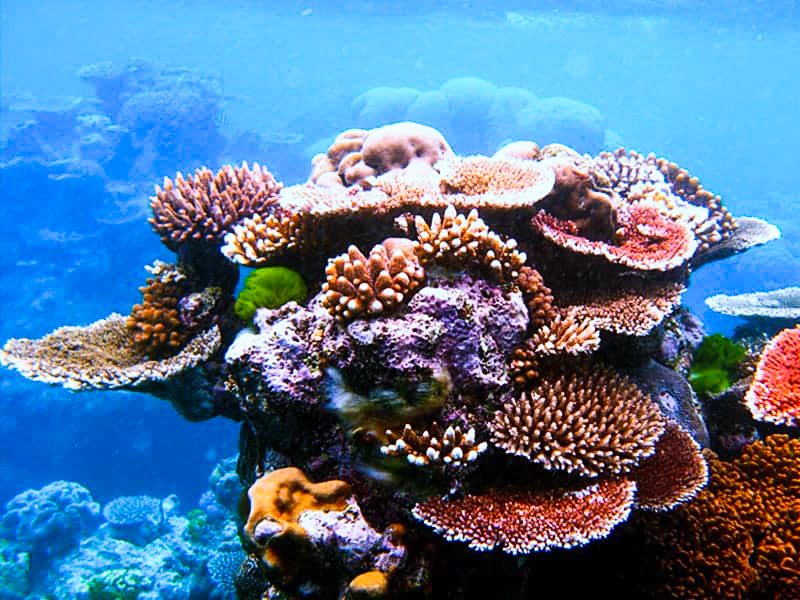
Known for shallow reefs and rocky outcrops, this area is accessible for various experience levels. It features vibrant coral formations and frequent sightings of reef fish.

Visit the Hikkaduwa National Park reef for highest coral diversity.
Unawatuna

Unawatuna

This location provides access to deep-sea shipwrecks and complex rock formations. Divers often explore the Rangoon and Galle shipwreck sites located nearby.

Prioritize the Galle shipwreck site for historical structural interest.

Nilaveli

Nilaveli

Located near Pigeon Island, this zone is characterized by extensive coral gardens and clear water conditions. It is a primary destination for observing blacktip reef sharks.

Dive Pigeon Island early to avoid crowds and maximize visibility.

Trincomalee

Trincomalee

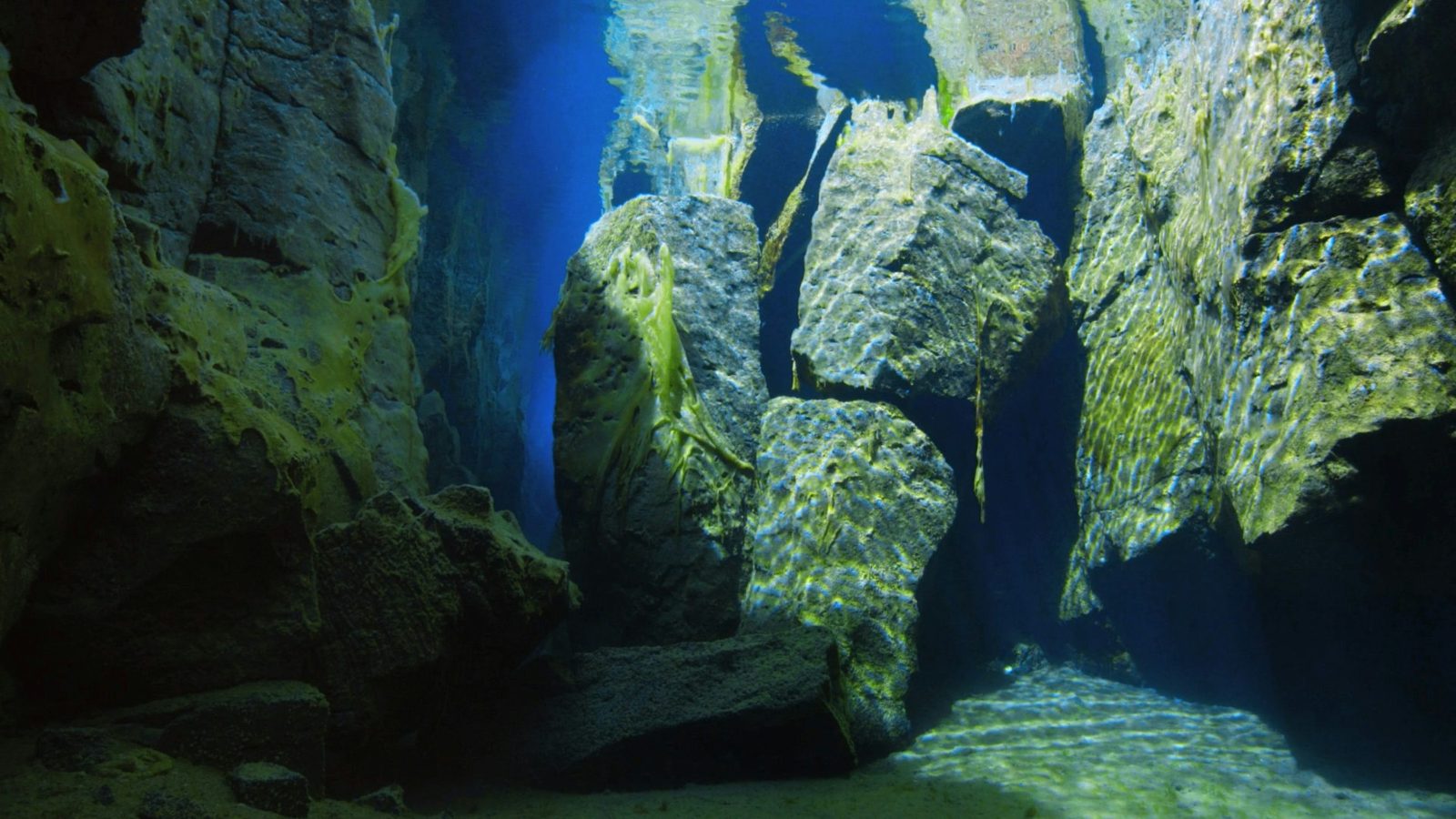
This area features dramatic underwater terrain, including drop-offs and caverns. It serves as a starting point for dives targeting larger pelagic species.

Explore Swami Rock for deep underwater cliff topography.

Prices

Understanding Costs for Where to Do Scuba Diving in Sri Lanka

There is no public entrance fee for scuba diving in Sri Lanka. Total costs are determined by the services provided by your chosen operator and the specific permits required for individual dive sites.

Public Entrance Fee No entrance fee for diving activities.
0 LKR
Operator Service Fees Includes equipment rental and boat transport.
Variable
Site Permit Fees Fees apply to specific restricted marine zones.
Variable
Public access to diving sites does not require an entrance fee.

Verdict: Divers pay zero public entrance fees, with total costs depending solely on operator service rates and required location-specific permits.

Opening hours

Operational Hours When Researching Where to Do Scuba Diving in Sri Lanka

Dive operators across Sri Lanka maintain a consistent daily operational schedule to facilitate underwater activities. These hours apply to standard operations across locations including Hikkaduwa, Unawatuna, Nilaveli, and Trincomalee.

Monday
08:00–17:00
Tuesday
08:00–17:00
Wednesday
08:00–17:00
Thursday
08:00–17:00
Friday
08:00–17:00
Saturday
08:00–17:00
Sunday
08:00–17:00
Most operators conclude daily sessions by 17:00.
Checklist

Essential Prep for Where to Do Scuba Diving in Sri Lanka

Diving in Sri Lanka hinges on paperwork, certification and a few gear decisions sorted well before you reach the coast.

Book

Check availability

Frequently asked

Frequently Asked Questions About Scuba Diving in Sri Lanka

Everything you need to know about where to do scuba diving in sri lanka

Where to do scuba diving in sri lanka for beginners?

Beginners can find suitable conditions in locations like Hikkaduwa and Unawatuna, which offer calm waters and professional training centers. These areas provide shallow reefs ideal for initial certifications and introductory dives.

What is the best arrival window for where to do scuba diving in sri lanka?

For the best experience, aim to arrive between 08:00 and 11:00. This morning window ensures optimal water clarity and calm sea conditions for your underwater activities.

Are there entry fees for where to do scuba diving in sri lanka?

There is no public entrance fee for diving in the country. Costs vary significantly depending on the chosen dive operator and specific site permits required for protected areas.

Can children participate in scuba diving spots in Sri Lanka?

Many dive operators offer discovery sessions for older children, provided they meet basic swimming and health requirements. It is essential to verify age limits with local dive schools before booking.

What are the top coastal regions to explore for underwater exploration in Sri Lanka?

Prominent coastal destinations include Hikkaduwa, Unawatuna, Nilaveli, and Trincomalee. Each region features unique marine ecosystems, ranging from vibrant coral reefs to historic shipwrecks.

How does seasonality affect where to do scuba diving in sri lanka?

Sea conditions change with the monsoon seasons, affecting visibility and accessibility. Divers typically shift between the east and west coasts throughout the year to follow the best weather patterns.

Keep reading

More guides & pages